
The best freight forwarders from China to the USA are not always the biggest names or the lowest-price providers. Many US importers compare one ocean freight number, then face destination charges, rail costs, customs fees, or trucking add-ons later. A better approach is to match the forwarder type to your shipment size, route, and risk tolerance.
The top 5 best freight forwarders from China to the USA are best understood by type: large global forwarders, China-based ocean freight specialists, US-based customs/logistics providers, marketplace platform forwarders, and niche FCL specialists. The right choice depends on route fit, quote transparency, shipment size, service scope, and total landed cost risk.
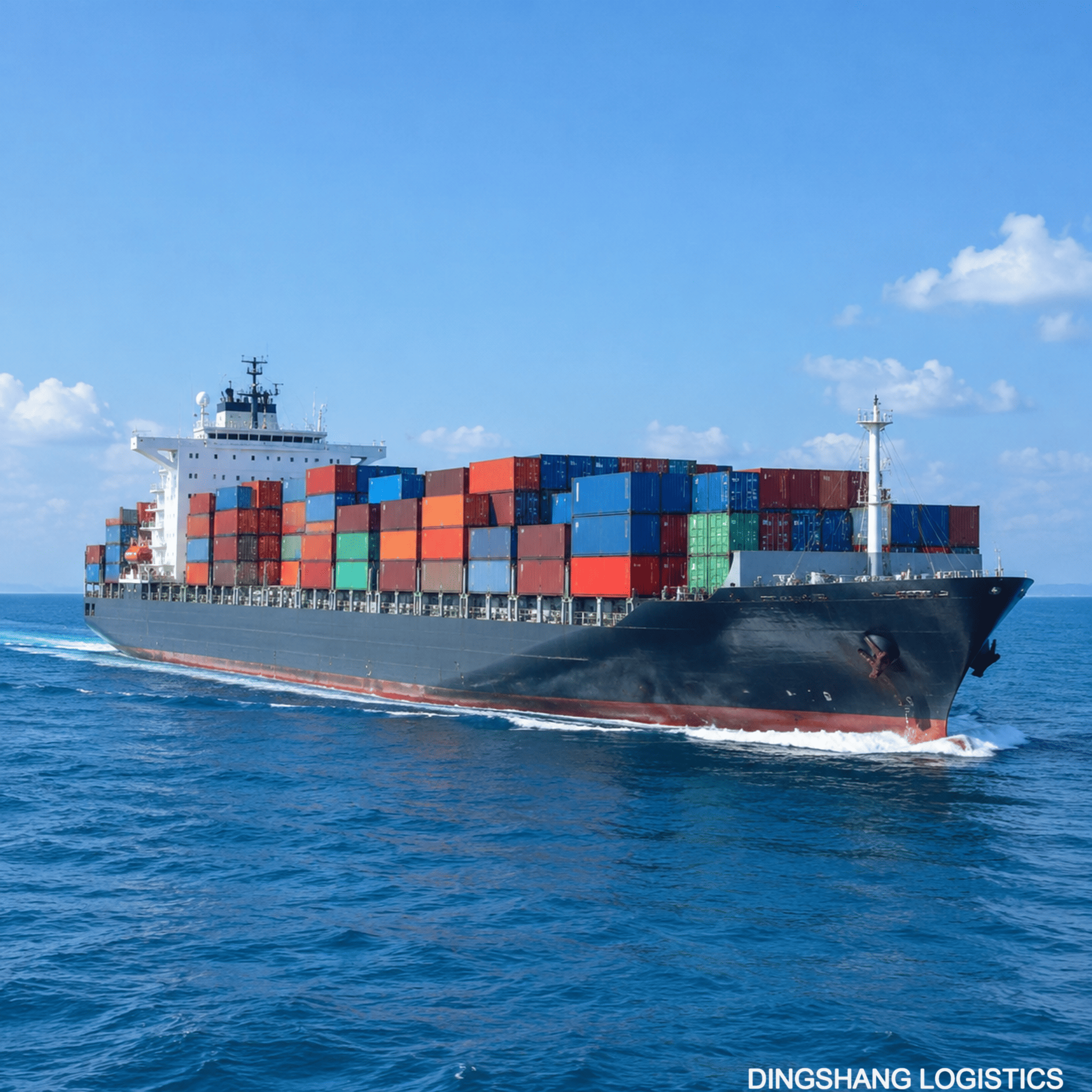
I handle China-to-USA ocean freight inquiries every week at Dingshang Logistics. I have seen one pattern many times: the “best” forwarder on paper may not be the best forwarder for a specific container, supplier city, US port, or final delivery address. Let’s break down the five most practical options.
What Are the Top 5 Best Freight Forwarders from China to the USA?
Choosing the best freight forwarders from China to the USA can feel confusing because every provider says it has strong rates and reliable service. The problem gets worse when quotes are not built the same way. One quote may include only ocean freight, while another may include destination handling, customs, rail, and delivery.
The top 5 types are: large global forwarders, China-based ocean freight specialists, US-based customs/logistics providers, marketplace platform forwarders, and niche FCL route specialists. Instead of trusting a fake universal ranking, buyers should compare each type by route knowledge, price scope, response speed, documentation support, and risk control.
Why I prefer a “type-based” ranking
I do not believe a simple “No. 1, No. 2, No. 3” list is honest unless it is based on verified shipment data, lane volume, customer reviews, claim ratios, and service records. Most online rankings do not show those details. So, I prefer to explain the five freight forwarder types that US importers usually compare.
Here is the practical version:
| Forwarder Type | Best For | Main Strength | Main Risk |
|---|---|---|---|
| Large global forwarders | Big importers, complex global supply chains | Network scale and corporate systems | Less flexible for smaller accounts |
| China-based ocean freight specialists | FCL importers shipping from China | Origin control and competitive ocean rates | Buyer must verify quote scope |
| US-based customs/logistics providers | Importers needing strong US-side guidance | Customs and domestic logistics support | China origin cost may be less competitive |
| Marketplace/platform forwarders | Simple quote comparison and online booking | Convenience and visibility | Service quality can vary by subcontractor |
| Niche FCL route specialists | Regular China-to-USA container shippers | Route-specific knowledge and cost control | Not ideal for all cargo categories or modes |
The real decision is about risk
When buyers contact me, they often ask, “What is the cheapest rate for a 40HQ from Ningbo to Los Angeles?” That is a normal question. However, I usually ask follow-up questions:
- Is it port-to-port or door-to-door shipping?
- Is the cargo ready now or next month?
- Is the destination near a port or an inland IPI point?
- Does the consignee have a customs broker?
- Are duties, taxes, exam fees, and delivery charges included or excluded?
- Is the quote based on a named carrier, service string, and sailing window?
These questions matter because a container from Ningbo, Shanghai, Shenzhen, or Qingdao to Los Angeles, Tacoma, New York, Boston, Miami, Houston, or Chicago may have very different cost structures.
> A low ocean freight number is not the same thing as a low total shipping cost.
The best freight forwarder is the one that helps you understand the full shipment picture before the container moves. For importers comparing full-container options, reviewing the available FCL sea freight services is a useful starting point.
When Are Large Global Forwarders from China to the USA the Best Fit?
Large global forwarders can look like the safest choice because they have offices, systems, contracts, and brand recognition. That scale can help. But small and mid-sized importers may feel less important if their container volume is limited or their questions require fast, personal attention.
Large global forwarders are often the best fit for enterprise importers with multi-country sourcing, high annual volume, strict internal compliance rules, and complex reporting needs. They can be strong for structured supply chains, but they may not always give the most flexible pricing or fastest support for smaller FCL shippers.
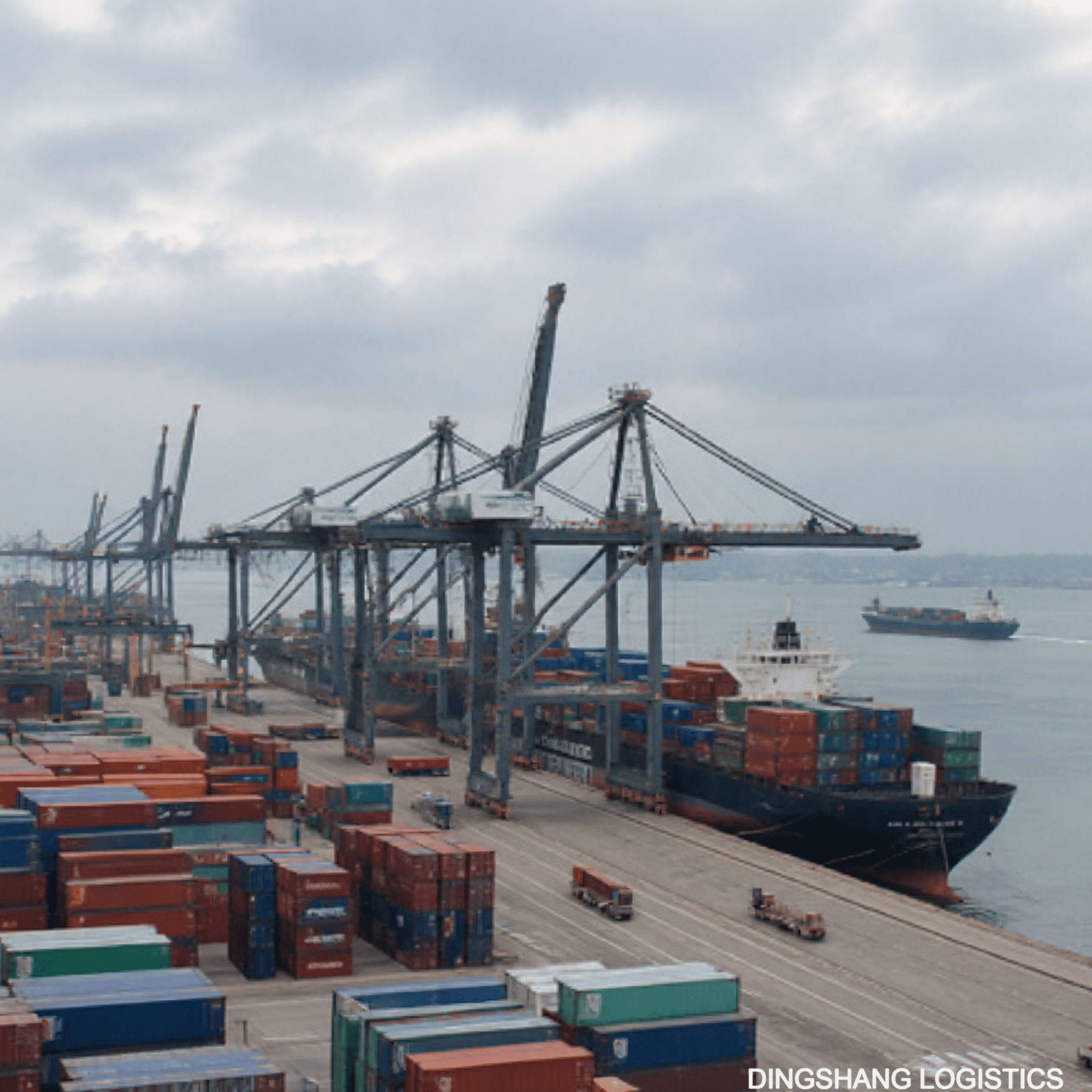
Where large forwarders are strong
Large providers usually have mature systems. They may offer:
- Global account management
- Multi-origin shipment control
- Strong compliance processes
- EDI/API data connections
- Warehousing and contract logistics
- Broad carrier relationships
- Cargo visibility dashboards
For large companies, these features can be important. A national retail chain may care more about system integration and quarterly performance reporting than saving a few hundred dollars on one container.
Where smaller importers may struggle
In my experience, smaller US importers sometimes feel lost inside a big provider’s process. They may not know who to ask when a supplier changes the cargo ready date. They may receive a standard quote that is technically correct but not fully explained. They may also find that urgent questions move through different departments.
This does not mean large forwarders are bad. It means they are built for a certain customer profile.
Best use cases
Large global forwarders may be a good choice if you:
- Ship many containers every month.
- Import from several countries, not only China.
- Need corporate reporting and compliance controls.
- Have internal logistics staff who understand freight terms.
- Prefer a global contract over lane-by-lane negotiation.
What to check before choosing one
You should still ask detailed questions:
| Question | Why It Matters |
|---|---|
| Is the quote port-to-port, port-to-door, or door-to-door? | It prevents scope confusion. |
| Are destination charges included? | It avoids surprise invoices. |
| Who handles the China origin communication? | It affects supplier coordination. |
| Who handles US customs and delivery? | It affects final cost and timing. |
| Is space confirmed or only estimated? | It affects schedule reliability. |
Large forwarders can be excellent. But they are not automatically the best freight forwarders from China to the USA for every buyer. The right fit depends on shipment complexity, budget, communication needs, and how much personal support your team expects.
Why Can China-Based Ocean Specialists Be Among the Best Freight Forwarders from China to the USA?
China-based ocean specialists can solve a common importer problem: weak control at the origin. If your supplier is in Zhejiang, Jiangsu, Guangdong, Shandong, or nearby inland regions, your forwarder must coordinate pickup timing, customs documents, container loading, and sailing schedules from the China side.
China-based ocean specialists can be among the best freight forwarders from China to the USA when buyers ship FCL containers and need strong origin coordination, competitive ocean freight, and clear communication with Chinese suppliers. They are especially useful for routes from Ningbo, Shanghai, Shenzhen, and Qingdao to major US ports.
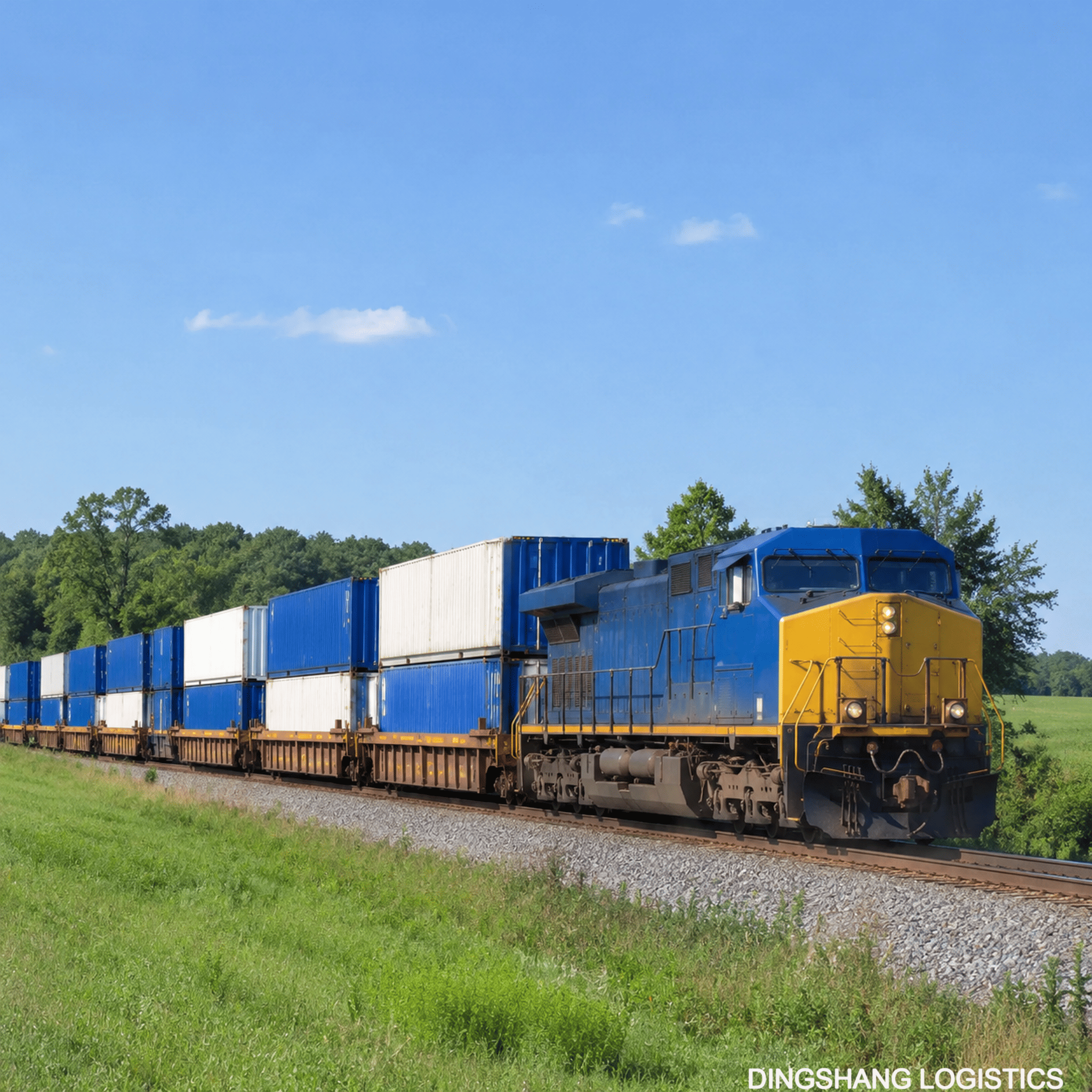
Why origin control matters
Many problems start before the vessel departs China. For example:
- The supplier delays cargo readiness by three days.
- The factory gives the wrong cargo volume.
- The booking cutoff changes.
- The trucking pickup needs to be adjusted.
- The shipper’s documents do not match the commercial invoice.
- The buyer thinks the quote includes more services than it does.
A China-based specialist is close to the origin side. That can make communication faster and more practical.
At Dingshang Logistics in Ningbo, I often discuss shipments that move from Ningbo, Shanghai, Shenzhen, and Qingdao to US destinations like Los Angeles, Tacoma, New York, Boston, Miami, Houston, and inland IPI points such as Chicago, Dallas, Memphis, Kansas City, Cleveland, Atlanta, Louisville, Salt Lake City, Detroit, Charlotte, Nashville, St. Louis, and Minneapolis.
I do not describe this as a universal advantage for every cargo. I describe it as a route-fit advantage for importers who move full containers from China to the USA.
What a strong China-based forwarder should provide
A qualified China-based ocean freight forwarder should help you compare:
- 20GP vs 40HQ container choices
- Port-to-port vs door-to-door service scope
- Origin port options
- Carrier schedule stability
- Estimated transit time
- US port congestion risk
- Customs clearance responsibility
- Rail or truck transfer options
- Cargo insurance options
- Quote validity period
Depending on your route and delivery requirements, you may also want to compare sea freight services, FCL shipping, and sea-rail intermodal transport.
Why quote transparency matters
Many buyers focus on the ocean freight line only. I think that is risky.
A useful FCL quote should show what is included and excluded. For example:
| Cost Item | Should It Be Clear? | Notes |
|---|---|---|
| Ocean freight | Yes | Main container freight charge |
| Origin charges | Yes | Booking, documentation, terminal-related costs |
| Destination charges | Yes | Common source of surprises |
| Customs clearance | Yes, if included | Must be handled by qualified parties |
| Duties and taxes | Yes, if estimated or billed | Depends on product classification |
| Rail/truck delivery | Yes, if door service | Can change by zip code and chassis market |
| Insurance | Yes, if offered | Buyers should review coverage terms |
For my own communication style, I prefer a one-time quote structure where the buyer can see the expected cost scope before booking. Some charges, such as customs exams, port storage, demurrage, detention, or government-related issues, may still depend on actual events. A good forwarder explains those exceptions before the shipment moves.
China-based specialists are not always the largest companies. But for the right FCL route, they may offer the combination many US SMB importers want: competitive pricing, direct China-side coordination, and practical route knowledge.
Are US-Based Customs and Logistics Providers the Best Freight Forwarders from China to the USA?
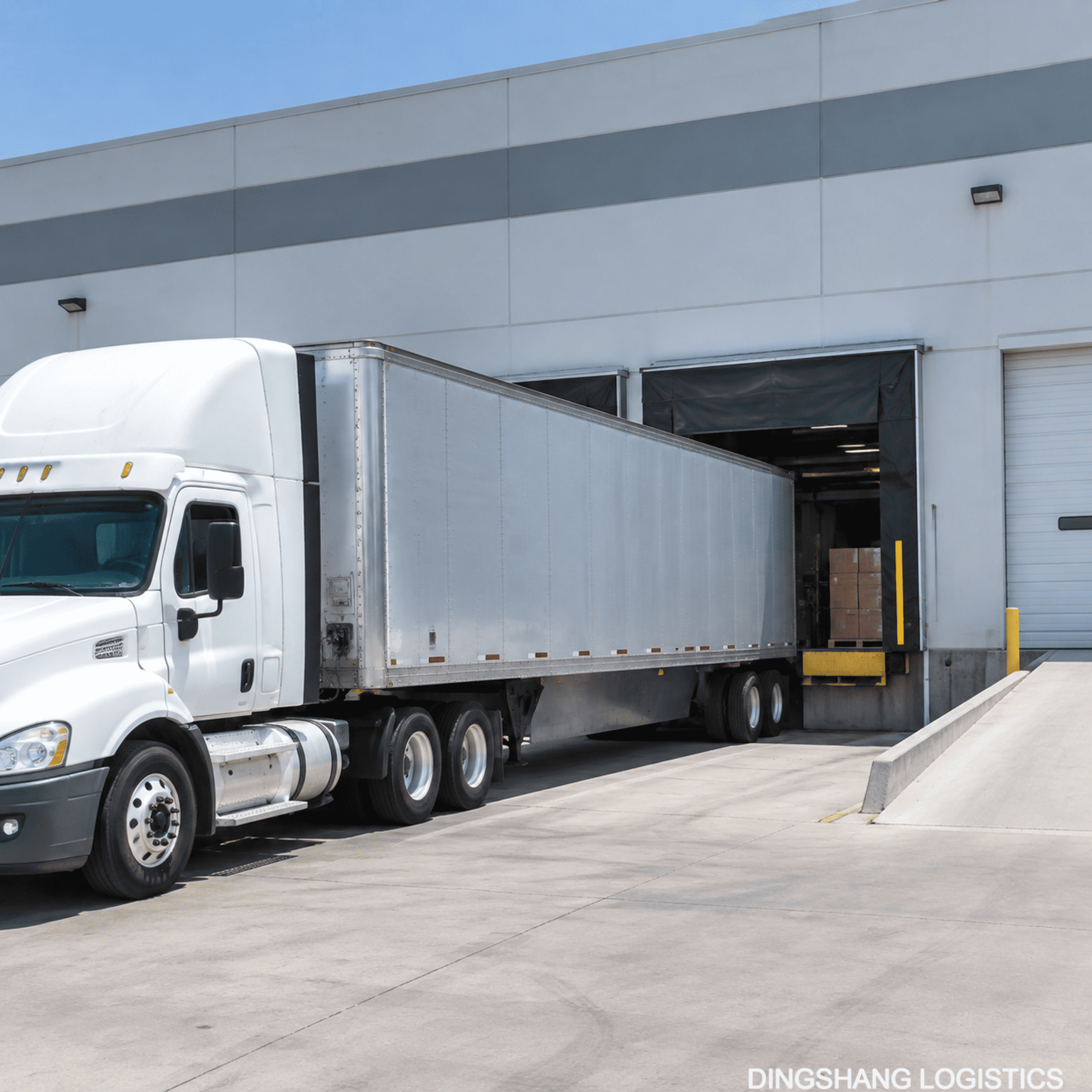
US-based customs and logistics providers can be very helpful when importers need guidance after the vessel arrives. The challenge is that some US-side providers depend on overseas agents for China origin handling, so buyers must confirm how well the China portion is managed.
US-based providers may be the best freight forwarders from China to the USA for importers who prioritize customs guidance, domestic trucking, warehousing, and compliance coordination in the United States. They are especially useful when the buyer already has stable China booking support but needs stronger control after arrival.
When US-side support is valuable
US import is not only about the ocean vessel. Once the container arrives, several steps may follow:
- Arrival notice review
- Customs clearance
- Duty and tax payment
- Possible exam coordination
- Pier pickup
- Rail movement to an inland point
- Warehouse unloading
- Final truck delivery
A US-based provider may be strong in these areas. They may also help with importer-of-record processes, customs bond guidance, HTS code discussions, and delivery appointment management.
For official guidance on importing goods into the United States, consult the US Customs and Border Protection importing guide. For customs clearance arrangements, buyers can also review the relevant customs clearance services and confirm which party is responsible for each step.
However, product classification, duty rates, admissibility, and compliance decisions should be reviewed by qualified customs professionals. A freight forwarder can coordinate logistics, but buyers should not treat general freight advice as legal or customs compliance advice.
What buyers should verify
If you choose a US-based provider, ask who controls the China origin operation.
Important questions include:
- Do you have your own China office or a partner agent?
- Which China ports do you handle most often?
- Can you coordinate directly with my Chinese supplier?
- Are origin charges fixed in the quote?
- Who is responsible if the supplier misses cutoff?
- Is the US delivery quote based on an actual zip code?
- Are duties, taxes, and customs clearance fees included or separate?
Best use cases
US-based providers can be a strong option when:
- Your cargo has complex customs requirements.
- You need warehousing in the United States.
- Your team wants US-time-zone communication.
- Your shipment requires inland delivery coordination.
- You already have stable China export handling.
For importers who need storage or distribution after arrival, it is worth confirming the provider’s warehouse services and the exact costs involved.
Possible limitations
The main limitation is cost visibility across both countries. If the US provider uses several overseas partners, your quote may include separate layers of charges. That is not automatically bad. But you need to know the full scope.
For example, a shipment from Shenzhen to Houston may include ocean freight, destination terminal charges, customs clearance, port pickup, chassis, fuel surcharge, possible waiting time, and final delivery. If the first quote only shows ocean freight, it is incomplete.
US-based providers can be very valuable. But they are the right choice only when their strengths match your risks. If your biggest problem is China supplier coordination and ocean freight cost control, a China-based specialist may be more practical. If your biggest problem is US customs and domestic distribution, a US-based provider may fit better.
Do Marketplace Platform Forwarders Belong on a Best Freight Forwarders from China to the USA List?
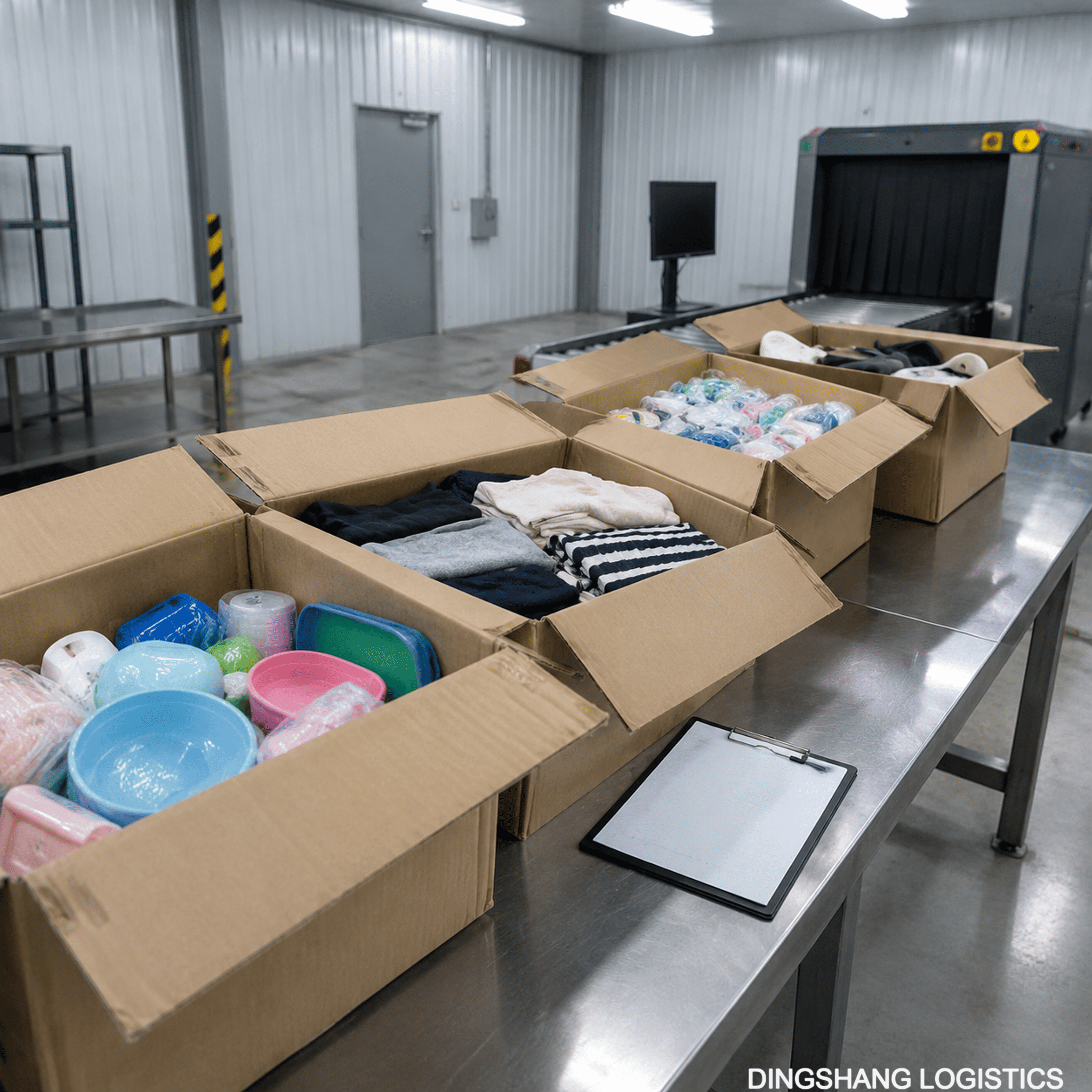
Marketplace platforms are attractive because they make freight feel easier to compare. A buyer can enter cargo details, view several quotes, and book online. This convenience helps. But freight is still physical logistics, so platform pricing and actual service execution must be checked carefully.
Marketplace or platform forwarders belong on a best freight forwarders from China to the USA list when buyers need quick quote comparison, online visibility, and standardized booking. They work best for simple shipments, but buyers should verify service scope, subcontractor responsibility, destination fees, and support quality before choosing.
Why platforms became popular
Platforms solve a real pain point. Traditional freight quoting can be slow. Buyers send emails, wait for replies, and compare quotes in different formats. Platforms often provide:
- Faster quote comparison
- Online booking
- Shipment tracking dashboards
- Digital document upload
- Standardized rate displays
- Easier communication records
For newer importers, this can feel more comfortable than traditional freight emails.
Where platforms can fall short
A platform may not operate every shipment directly. It may rely on underlying carriers, truckers, customs brokers, warehouses, and local agents. That is normal in logistics, but it means buyers must understand who is responsible for each step.
Common risks include:
- A low displayed rate with limited service scope
- Destination charges not shown clearly
- Support delays during exceptions
- Generic routing that does not fit your cargo timing
- Less flexibility when supplier plans change
- Difficulty getting a human explanation for special situations
I have spoken with buyers who compared platform quotes with traditional forwarder quotes and thought one was much cheaper. After we reviewed the scope, the difference was often smaller than expected. Sometimes the platform quote excluded charges that another quote included.
How to compare platform quotes
Use a checklist like this:
| Quote Element | What to Confirm |
|---|---|
| Origin port | Is it Ningbo, Shanghai, Shenzhen, Qingdao, or another port? |
| Destination | Is it port only, warehouse, or final door? |
| Container type | Is it 20GP or 40HQ? |
| Carrier/service | Is the schedule realistic? |
| Customs clearance | Included or excluded? |
| Duties/taxes | Included, estimated, or excluded? |
| Destination fees | Clearly listed or billed later? |
| Trucking/rail | Based on exact address or rough estimate? |
| Insurance | Optional or included? |
| Exceptions | Exams, storage, detention, demurrage terms |
Best use cases
Platform forwarders can work well if:
- Your shipment is simple.
- You know how to compare freight terms.
- You want fast online options.
- You do not need much route advice.
- You can tolerate standardized service processes.
They may be less ideal if your shipment requires detailed supplier coordination, customized rail/truck planning, or careful cost control across a specific China-to-USA FCL lane.
Platforms deserve a place in the conversation. But they should not replace due diligence. A clean dashboard is useful, but a container still needs correct documents, realistic sailing, customs coordination, and reliable delivery planning.
When Are Niche FCL Route Specialists the Best Freight Forwarders from China to the USA?
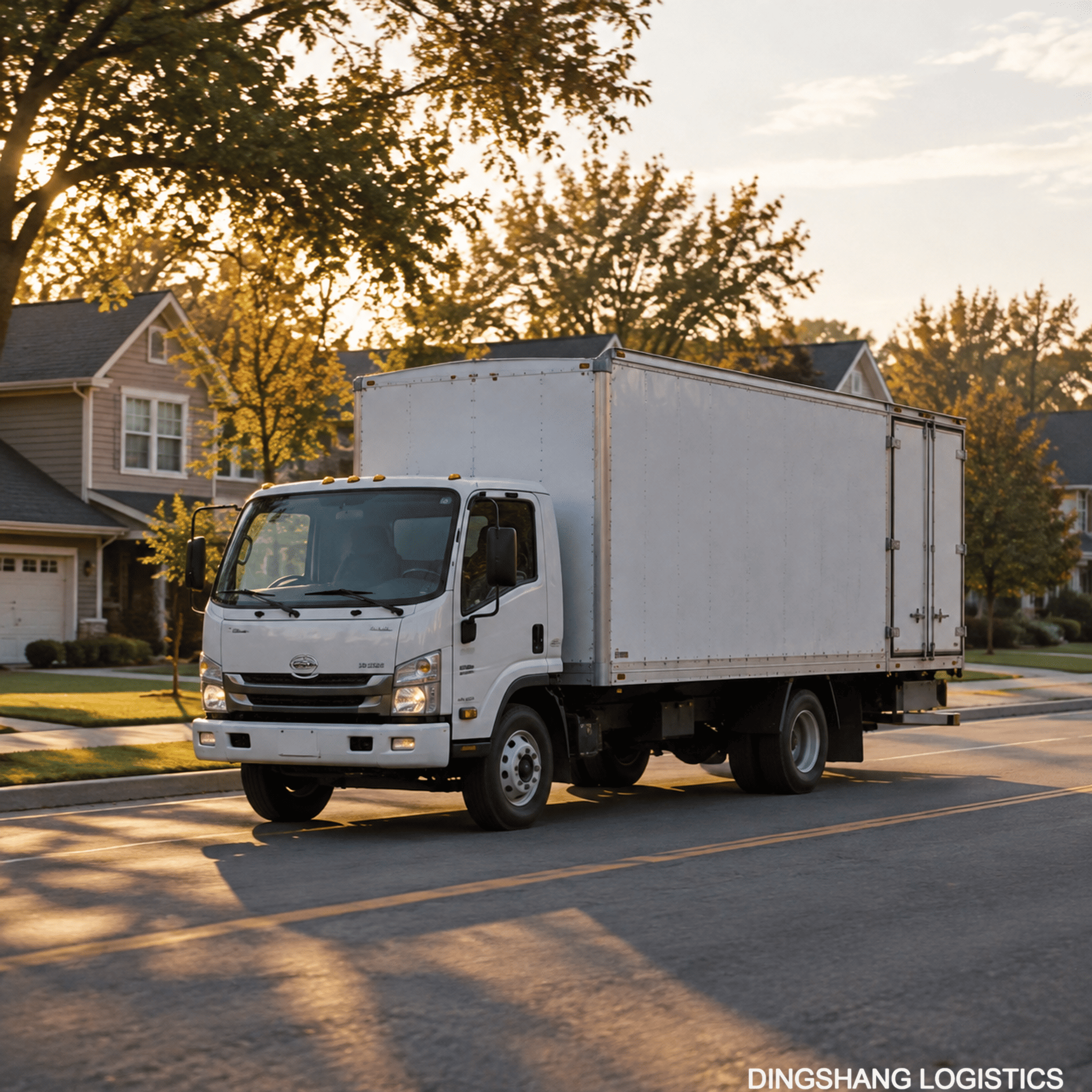
Niche FCL route specialists are often overlooked because they may not have the largest brand names. But if your business regularly imports full containers from China to the United States, a focused forwarder can sometimes provide better lane knowledge, clearer pricing, and more responsive shipment communication.
Niche FCL route specialists can be the best freight forwarders from China to the USA when buyers ship 20GP or 40HQ containers on repeat lanes and need route-specific support. They are useful for importers who care about competitive pricing, transparent quotes, stable sailings, and practical port-to-port or door-to-door planning.
What “niche” means in real freight work
A niche specialist does not try to handle every lane, every mode, and every country. Instead, it focuses on a narrower service scope.
For example, Dingshang Logistics focuses on China-to-USA ocean freight, especially FCL containers such as 20GP and 40HQ. Our common China origin ports include Ningbo, Shanghai, Shenzhen, and Qingdao. Our US destination coverage includes major ports such as Los Angeles, Tacoma, New York, Boston, Miami, and Houston, plus inland rail points through sea-rail service.
This focus helps in daily communication. When a buyer asks about a route from Ningbo to Chicago via IPI rail, the answer should not be generic. The forwarder should understand the ocean leg, port routing, rail transfer, destination availability, and likely cost structure.
Why FCL importers often need focused help
Full-container shipping has different risks from small parcel or express courier service. FCL buyers need to think about:
- Container availability
- Vessel space
- Cargo ready date
- CY cutoff
- Port pair selection
- Transit time
- Rail transfer options
- Destination trucker availability
- Chassis and appointment timing
- Insurance coverage
- Total landed logistics cost
The shipment value can be high. A mistake can create expensive consequences.
What I recommend comparing
When a US importer asks me how to choose, I suggest comparing three things first:
- Quote scope
The quote should say what is included and what is not included. A clear quote is usually safer than a cheap but vague quote.
- Route fit
A forwarder should know the specific lane. China-to-Los Angeles is not the same as China-to-New York or China-to-Chicago.
- Communication quality
A forwarder should explain delays, cutoff changes, and cost exceptions before they become bigger problems.
Port-to-port vs door-to-door, briefly
Some buyers only need port-to-port shipping. In that case, the forwarder arranges the ocean movement from a China port to a US port.
Other buyers need door-to-door service. This may include ocean freight, customs clearance coordination, duty/tax payment support, rail or truck transfer, and final delivery. Door-to-door can be convenient, but buyers should still verify product compliance, customs requirements, and the exact cost scope.
At Dingshang Logistics, I position our service as a suitable option for US importers who need China-to-USA FCL ocean freight with competitive and transparent pricing, route-specific support, and a clear one-time quote approach where practical. I do not claim that we are always the cheapest. I care more about helping buyers avoid incomplete quotes and costly surprises.
Importers can review our shipping services or contact Dingshang Logistics to discuss a specific route and quote scope.
How We Evaluate China-to-USA Freight Forwarders
Choosing a freight forwarder should involve more than comparing advertised prices. Buyers should evaluate service scope, route experience, quote transparency, documentation support, and communication quality.
A practical comparison should consider:
- Route experience: Does the provider regularly handle the specific China origin port and US destination?
- Quote transparency: Are origin charges, destination charges, customs clearance, delivery, and potential extra fees clearly identified?
- Service scope: Does the quote cover port-to-port, door-to-door, warehousing, or inland rail and trucking?
- Documentation and compliance: Does the provider explain which party handles export documents, customs coordination, and other required processes?
- Communication: Can the provider explain schedule changes, delays, and unexpected charges clearly?
For US import requirements, consult the official US Customs and Border Protection importing guide. Where ocean transportation intermediary status or licensing is relevant, buyers can also consult the Federal Maritime Commission and its OTI information resources.
The most suitable provider is not necessarily the one with the lowest initial quote. It is the one whose capabilities, service scope, and pricing structure match the shipment's requirements.
Frequently Asked Questions
How do I choose the best freight forwarder from China to the USA?
You should choose by shipment type, route fit, quote transparency, and service scope. Ask whether the forwarder understands your China origin port, US destination, container size, customs needs, and delivery plan. Do not choose only by the lowest ocean freight number.
Is the cheapest freight forwarder always the best choice?
No. The cheapest quote may exclude destination charges, customs clearance, rail costs, trucking, insurance, or other fees. A low first number can become expensive later. I recommend comparing the total expected cost and asking each forwarder to list included and excluded items clearly.
What should be included in a China-to-USA ocean freight quote?
A good quote should state the origin port, destination, container type, ocean freight, origin charges, destination charges, customs clearance scope, duties/taxes treatment, delivery or rail costs if applicable, insurance options, validity period, and exception charges such as exams, storage, demurrage, or detention.
Should I choose a China-based or US-based freight forwarder?
You should choose based on your main risk. A China-based forwarder can be strong for supplier coordination, origin port handling, and ocean freight cost control. A US-based provider can be strong for customs guidance, warehousing, and domestic delivery. Many importers compare both before deciding.
Can a freight forwarder handle port-to-port and door-to-door shipping?
Yes, many freight forwarders can arrange both. Port-to-port covers the ocean move between ports. Door-to-door may include ocean freight, customs clearance coordination, duties/taxes handling, rail or truck transfer, and final delivery. Buyers should confirm the exact scope before booking.
Conclusion
The best freight forwarders from China to the USA are not defined by a simple online ranking. They are defined by how well they match your shipment size, route, quote expectations, and risk profile. Large global forwarders, China-based specialists, US-based providers, platforms, and niche FCL route specialists can all be right in different situations.
If you import 20GP or 40HQ containers from China to the United States and want competitive, transparent, route-specific ocean freight support, contact Dingshang Logistics to review your lane and quote scope.


Leave a Comment