
Quick Answer
Shipping from Shenzhen to the USA typically means moving commercial cargo through a Shenzhen container terminal, such as Yantian or Shekou, to a U.S. seaport and, if needed, onward by rail or truck. Importers can book a dedicated 20GP or 40HQ container (FCL), share space with other shippers (LCL), or arrange delivery to their U.S. warehouse.
DingShang's published Shenzhen FCL references for five major U.S. destinations range from $4,720 to $5,360 for a 20GP and $5,900 to $6,700 for a 40HQ, with listed ocean transit estimates of 15-32 days after departure. These figures are port-pair planning references, not confirmed door-to-door quotations. The current sailing, cargo details and destination ZIP code determine the actual quote.
Key Takeaways
- Choose Yantian or Shekou based on the complete route. Factory location, terminal cutoff, vessel schedule and origin trucking all matter.
- Compare the same service scope. A Shenzhen-to-Los Angeles ocean rate is not the total cost of delivery to a California warehouse.
- Separate ocean transit from delivery time. Vessel arrival, container availability, customs release and the final delivery appointment occur at different stages.
- Use FCL or LCL based on total cost and handling needs. No universal CBM threshold makes one option cheaper on every route.
How Much Does Shipping from Shenzhen to USA Cost?
The main variables are the destination port, container size, sailing date and services included. For an initial budget, DingShang publishes 20GP and 40HQ FCL reference rates from Shenzhen to major U.S. ports. The complete logistics cost can also include China pickup, local charges, U.S. destination handling, customs brokerage and inland delivery.
Shenzhen to USA FCL reference rates
| U.S. destination port | 20GP reference | 40HQ reference | Listed ocean transit |
|---|---|---|---|
| Los Angeles, CA | $4,720 | $5,900 | 15 days |
| Seattle, WA | $5,120 | $6,400 | 22 days |
| New York, NY | $5,360 | $6,700 | 32 days |
| Savannah, GA | $5,360 | $6,700 | 32 days |
| Houston, TX | $5,360 | $6,700 | 32 days |
Reference week: November 9, 2026. USD per container; Shenzhen-origin port-pair references, not Yantian- or Shekou-specific quotations or complete warehouse-delivered prices. Rates do not update automatically in this article. Listed transit is counted after departure.
The FCL reference rates page is scheduled for Monday updates. Check the live page for the most recently published figures, then request a written quotation covering your specific cargo, container equipment, selected terminal and required services. Availability, exclusions and rate validity must be confirmed before booking.
For LCL, there is no comparable flat price per container. Your quote normally depends on the shipment's chargeable volume or weight, plus origin and destination handling. A small ocean-freight line item can still produce a substantial final bill if CFS and delivery charges are excluded.
How Long Does Shipping from Shenzhen to USA Take?
The published ocean estimates above range from 15 days to Los Angeles to 32 days to New York, Savannah or Houston. These are departure-to-destination planning references, not guaranteed vessel schedules and not the time from factory pickup to warehouse receipt.
A real shipment has several separate milestones:
- Cargo ready and collected. The factory finishes packing, and the shipment is positioned for terminal receiving or LCL consolidation.
- Export cutoff and loading. Export documents, verified gross mass where required, carrier instructions and terminal cutoffs are completed before loading.
- Ocean transit. The vessel follows its booked itinerary, which may involve intermediate port calls or transshipment.
- Container or LCL cargo availability. U.S. terminal processing, carrier release and, for LCL, deconsolidation take additional time.
- Customs and final delivery. The necessary releases, truck or rail arrangements, and receiving appointment determine when the importer actually gets the goods.
For example, a published 15-day Shenzhen-to-Los Angeles ocean estimate does not mean a factory shipment will arrive at a Los Angeles warehouse in 15 days. If the receiving ZIP code is inland, the final delivery plan may include another rail ramp and a last-mile truck appointment.
Ask your forwarder for both the estimated port ETA and the realistic door-delivery window. Use the latter for warehouse receiving plans, production schedules and inventory decisions.
Yantian vs. Shekou: Which Shenzhen Port Should You Choose?
Yantian is a major deep-water container gateway in eastern Shenzhen; Shekou serves the western Shenzhen port area near Nanshan. Neither is automatically faster or cheaper for every U.S.-bound shipment. The best choice depends on the supplier's pickup location, the relevant carrier service and the full cost to the final destination.
| Question to compare | Yantian | Shekou |
|---|---|---|
| Position in Shenzhen | Eastern Shenzhen, on Dapeng Bay | Western Shenzhen, around Nanshan and Shenzhen Bay |
| Typical reason to consider it | A suitable transpacific sailing or an easier east-side factory pickup | A suitable sailing or an easier west-side factory pickup |
| What to verify | Container receiving location, export cutoff, equipment availability, trucking cost | The same factors, plus the specific terminal and consolidation point |
| Can the published Shenzhen rate be used directly? | No. Request a Yantian-specific quote. | No. Request a Shekou-specific quote. |
Shenzhen's municipal transport authority identifies Yantian as a principal eastern container port and Nanshan as a major western port area. Official information also places Shekou Port in western Shenzhen, while the Yantian district government describes Yantian International Container Terminals as a major deep-water operation.
Confirm the receiving point before dispatching a truck. A booking may specify a particular terminal or depot rather than just “Yantian” or “Shekou.” OOCL lists different Shenzhen terminals and equipment depots, and its haulage instructions require the relevant equipment interchange receipt (EIR) for empty pickup and loaded-container return before the cargo closing time. Check the exact return terminal, container-yard (CY) cutoff, shipping-instruction deadline and VGM requirements against the booking before scheduling trucking. For LCL, the consolidator’s CFS receiving warehouse and cargo cutoff may be different from the FCL terminal; confirm that address before arranging pickup.

The practical selection test
Suppose your supplier is in eastern Shenzhen or nearby Huizhou. Yantian may be worth checking first for origin trucking. For a factory in Nanshan or elsewhere in western Shenzhen, Shekou may be worth checking first. These are geographic starting points, not guaranteed cost advantages: road routes, consolidation locations and available sailings can change the result.
Request two comparable proposals where both ports are viable. Ask each provider to show the named loading terminal, scheduled departure, container cutoff, origin trucking, ocean freight, destination handling and U.S. delivery scope. A lower sea-freight price can be offset by additional origin trucking or an unsuitable sailing.
Also make sure the trade term matches the arrangement. Under FOB at the named shipment port, the seller generally handles export clearance and delivers the goods on board the vessel. Under EXW, the buyer takes on substantially more origin-side responsibilities. These are not interchangeable descriptions of a port-to-port freight quote.
Major Ocean Shipping Routes from Shenzhen to the USA
For U.S. importers, the main decision is not merely which American port appears on the vessel schedule. It is which combination of ocean service and U.S. inland delivery reaches the receiver at an acceptable total cost and lead time.
West Coast: Los Angeles, Long Beach and Seattle
West Coast gateways are natural candidates for California and Pacific Northwest receivers. They can also connect to inland rail networks. Los Angeles and Long Beach are neighboring but separate ports, so the terminal, carrier release and drayage arrangements need to match the actual booking.
East Coast: New York and Savannah
For Northeast or Southeast destinations, compare an ocean service to the relevant East Coast port with alternatives involving a West Coast gateway and inland rail. Confirm whether the booked sailing makes intermediate calls or requires transshipment; do not assume every East Coast service follows exactly the same canal route.
Gulf Coast: Houston
Houston may suit Texas and nearby inland receivers, depending on the final delivery address. Confirm the actual container terminal, current sailing, destination handling and onward trucking. A quoted Houston ocean rate does not include delivery to every Texas city.
Inland cities: ocean plus rail and truck
For a shipment going to Chicago, Dallas, Memphis or another inland destination, a sea-rail intermodal service may combine an ocean move to a U.S. gateway with rail transportation and final truck delivery. IPI is an inland continuation of an ocean shipment, not a separate ocean route. Compare quotes through the same final ZIP code, not just the vessel's first U.S. port.
FCL vs. LCL Shipping from Shenzhen
FCL gives your cargo a dedicated container; LCL shares container space with other shippers. The decision should reflect packed volume, gross weight, cargo sensitivity, available service and the total delivered logistics cost.
| Factor | FCL: 20GP or 40HQ | LCL: shared container |
|---|---|---|
| Best fit | Larger commercial loads or cargo benefiting from dedicated equipment | Smaller commercial consignments that do not justify a full container |
| Main pricing basis | Container/equipment and quoted route | Chargeable volume or weight, minimums and related handling |
| Handling | Container is loaded for one shipper, though terminal handling still applies | Consolidation and deconsolidation add cargo handling stages |
| Important destination costs | Terminal release, drayage, chassis, unloading and container return | Destination CFS, release, storage and final local delivery |
| Main decision | Compare 20GP/40HQ rates and practical loading limits | Compare complete LCL charges against an FCL alternative |
A 20GP may be planned around 28 CBM, and a 40HQ around 68 CBM, depending on cargo configuration. These are practical loading allowances, not guaranteed capacities or legal weight limits. Dense cargo may reach weight constraints well before it occupies the available space.
For LCL, carriers and consolidators may rate cargo on a weight/measurement basis. A common convention compares volume in CBM with metric-ton equivalents, but the actual conversion, minimum and surcharges depend on the quotation. There is no universal 10-CBM or 15-CBM rule for switching to FCL.
Review FCL ocean freight and LCL services for the options DingShang offers. If your shipment could reasonably use either service, request both quotes with the same final delivery location.
How Door-to-Door Shipping from Shenzhen Works
Door-to-door service coordinates transportation from the agreed China pickup point to the U.S. receiving address. The exact scope may also include export arrangements, customs-broker coordination, rail or truck delivery and cargo insurance, depending on the written quotation. Door-to-door is a delivery scope, not a synonym for DDP.
A typical commercial ocean shipment follows these steps:
- Share shipment details. Confirm product and material, quantity, package dimensions, gross weight, supplier address, cargo-ready date, trade term and U.S. destination ZIP code.
- Compare Yantian and Shekou when appropriate. Choose a workable terminal, service and equipment rather than selecting solely by the headline ocean rate.
- Arrange collection or container loading. Confirm the loading plan, packaging, container gross weight and export documentation. Under SOLAS rules, a verified gross mass is required before a packed container may be loaded on a vessel.
- Complete export and ocean booking steps. Meet the carrier's cutoffs, submit shipping instructions and issue the correct transport documents.
- Coordinate ISF and customs entry separately. Provide the importer or broker with the data needed for any applicable pre-loading ISF filing. Formal U.S. customs entry and release are separate procedures with their own requirements.
- Arrange release and inland transportation. After cargo availability and relevant releases, coordinate drayage, rail where applicable, and the final truck appointment.
- Receive and unload. Confirm warehouse hours, appointment requirements, live-unload or drop arrangements, and empty-container return for FCL.
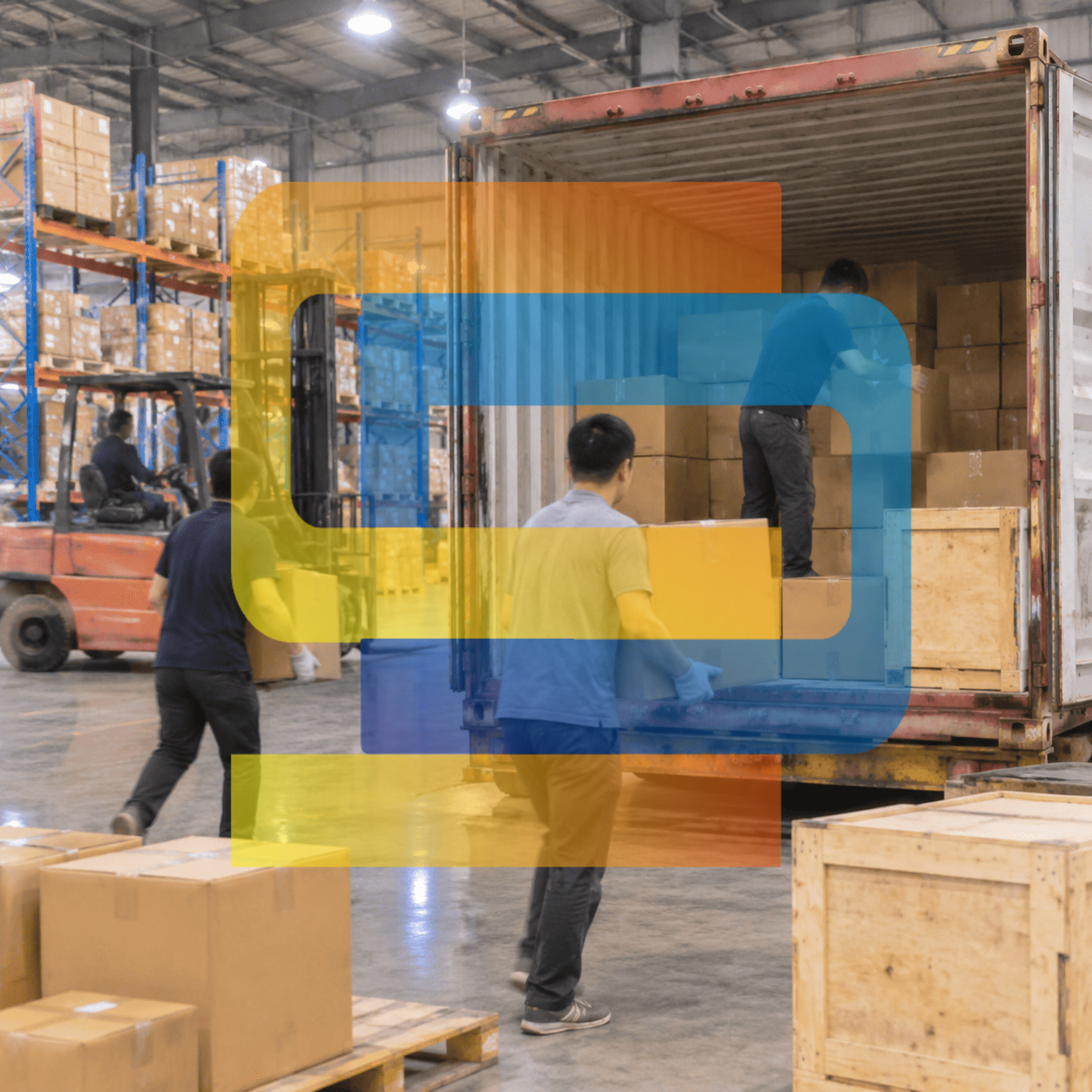
For a warehouse with limited receiving hours, the trucker's quoted waiting allowance, unloading method and possible redelivery charges can affect the real cost. Discuss these before the vessel arrives, not after a delivery appointment is missed. See DingShang's door-to-door shipping service for the available transport arrangements.
What Is Included in a Shenzhen-to-USA Freight Quote?
A reliable quotation should separate normal logistics charges, estimated government charges and duties, and conditional expenses. That is more useful than a single price with no statement of what it covers.
| Charge group | Questions to ask before booking |
|---|---|
| China pickup and origin handling | Is factory collection included? Which port and terminal? Who pays export-side charges under EXW or FOB? |
| Main ocean freight | Which equipment, carrier service, origin, destination, sailing period and rate validity? |
| U.S. destination handling | What release, terminal, CFS or carrier charges are included or excluded? |
| Customs brokerage and government charges | Is brokerage included? How will duties and applicable government fees be estimated and paid? |
| Rail, drayage and last-mile delivery | Is the final ZIP included? What are the chassis, appointment and unloading assumptions? |
| Conditional charges | What would trigger examinations, storage, demurrage, detention, waiting or redelivery? |
For a practical quote comparison, collect the same information for every proposal: supplier pickup point, container or LCL dimensions, cargo-ready date, named U.S. port and final delivery ZIP. If one proposal is port-to-port and another is door-to-door, request the missing charges before deciding which is cheaper.
Landed cost is broader than the freight bill: it may include the merchandise value, import duty, applicable fees and other acquisition costs. Keep that separate from the total delivered logistics cost when comparing forwarding services.
U.S. Customs Clearance and Import Requirements
The U.S. importer of record remains responsible for accurate declarations and applicable product compliance, even when a freight forwarder coordinates a licensed customs broker. Plan these requirements before the shipment leaves China.
For a typical commercial import, prepare a commercial invoice, packing list, bill of lading details, origin information, product description and a suitable U.S. HTS classification. Depending on the cargo, additional agency requirements, permits or certifications may apply.
ISF for ocean imports
For applicable standard U.S.-bound vessel cargo, eight key Importer Security Filing (ISF) data elements are generally due no later than 24 hours before the goods are laden aboard the vessel destined for the United States. Other ISF elements have different timing provisions. The requirement should not be simplified to "24 hours before vessel departure." Confirm the applicable details with your broker and refer to CBP's ISF filing guidance.
Duties and release
Tariff treatment depends on U.S. HTS classification, customs value, country of origin and any additional measures in effect at the time of entry. Duties can often be estimated before sailing; there is no single duty rate for every product manufactured in China. Check the current U.S. Harmonized Tariff Schedule with a qualified broker.
Even after the vessel reaches the terminal, cargo cannot move to the warehouse until the required carrier, terminal, customs and other applicable releases have been completed. DingShang can coordinate U.S. customs clearance, but coordination does not remove the importer's legal responsibilities.
Frequently Asked Questions
1. How much does it cost to ship a 20ft container from Shenzhen to the USA?
DingShang's last published table available when this article was prepared listed $4,720 for Shenzhen to Los Angeles, $5,120 to Seattle and $5,360 to New York, Savannah or Houston for a 20GP. These are published ocean-freight references, not confirmed total delivery costs. Check the live rate page and request a shipment-specific quote.
2. How long does sea freight from Shenzhen to Los Angeles take?
The published Shenzhen-to-Los Angeles ocean reference is 15 days after departure. Actual voyage time depends on the booked sailing; factory collection, export processing, terminal availability, customs release and U.S. trucking add time before final receipt.
3. Is Yantian or Shekou better for shipping to the USA?
Neither port always wins. Compare the supplier's pickup location, origin trucking cost, vessel availability, terminal cutoff and complete U.S. delivery quote. Yantian is in eastern Shenzhen; Shekou is in the west. The public Shenzhen rate table does not identify either terminal separately.
4. Can I ship directly from Shenzhen to New York?
U.S. East Coast services can be arranged from Shenzhen, but whether a suitable booked sailing is direct or includes intermediate calls or transshipment must be checked against the current carrier schedule. Do not treat a generic transit estimate as proof of a nonstop service.
5. Is FCL or LCL cheaper for cargo shipped from Shenzhen?
LCL may cost less for a smaller commercial shipment, while FCL may be competitive once consolidation, CFS, destination handling and delivery are included. Compare the complete quotes using packed CBM, gross weight, cargo handling requirements and the same final ZIP code. No fixed CBM threshold applies universally.
6. Does door-to-door shipping from Shenzhen include U.S. customs clearance and duties?
Only if those services and payment arrangements are expressly included. Customs brokerage, duties and government fees are not automatically covered by the words "door-to-door." Request an itemized scope and clarify who is the importer of record.
7. What information is needed for a Shenzhen-to-USA freight quote?
Share your product and material, HS code if known, China supplier or pickup address, U.S. delivery ZIP, cargo-ready date and trade term. For FCL, provide 20GP or 40HQ and gross weight; for LCL, include package count, CBM, dimensions and weight. Specify whether you need customs coordination and final delivery.
Get a Shenzhen-to-USA Shipping Quote
DingShang Logistics arranges China-to-USA FCL and LCL ocean freight, with port-to-port, customs-coordination and inland delivery options. To compare Yantian and Shekou or choose a route to your U.S. warehouse, send the origin, cargo details, container type or LCL measurements, cargo-ready date, FOB/EXW terms and final ZIP code.
Request a Shenzhen-to-USA freight quote for a written, shipment-specific breakdown of routing, included services and costs.


Leave a Comment